
How to Spot Hidden Maintenance Issues in Multi-Unit Properties
Written By Isaac Spragg
May 26, 2026
Understanding the Hidden Risks in Multi-Unit Property Maintenance
Paste the approved opening article text here.
Quick Answer: Hidden Maintenance Issues Multi-Unit Owners Should Watch For
| Hidden Issue | Why It Matters |
|---|---|
| Slow leaks | Small plumbing issues can spread between units and create expensive water damage if ignored. |
| Shared system wear | Heating, plumbing, electrical, and drainage systems often serve more than one tenant or unit. |
| Poor ventilation | Moisture, odors, and air quality problems can signal deeper building issues. |
| Exterior deterioration | Steps, siding, gutters, roofing, and drainage issues can quietly affect safety and property value. |
| Tenant underreporting | Tenants may not report small problems until they become urgent, visible, or disruptive. |
Paste the next approved paragraphs here.
Why Multi-Unit Properties Hide Maintenance Problems So Easily
Paste approved section text here.
- Multiple tenants may use the same building systems.
- Small issues in one unit can affect another unit.
- Shared common areas may not be monitored daily by owners.
- Tenants may delay reporting minor concerns.
- Older buildings can hide problems behind walls, ceilings, basements, and utility areas.
- Turnover can reveal issues that were previously unnoticed.
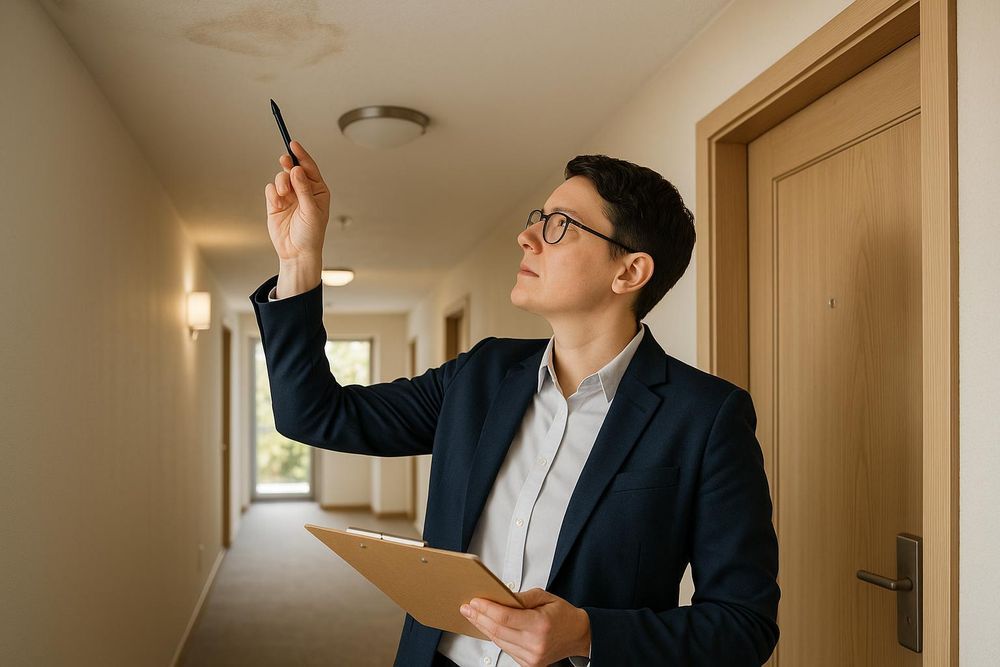
Common Hidden Maintenance Issues to Inspect First
Paste approved section text here.
Plumbing Leaks and Water Damage
Paste approved section text here.
Electrical Wear and Safety Concerns
Paste approved section text here.
Heating and Ventilation Problems
Paste approved section text here.
Where to Look During a Multi-Unit Property Inspection
Paste approved section text here.
| Inspection Area | What to Check |
|---|---|
| Basement and utility areas | Moisture, leaks, rust, exposed wiring, water heaters, boilers, and foundation signs. |
| Bathrooms and kitchens | Leaks, soft floors, slow drains, mold signs, caulking gaps, and cabinet damage. |
| Common areas | Lighting, stairs, railings, doors, locks, flooring, odors, and safety concerns. |
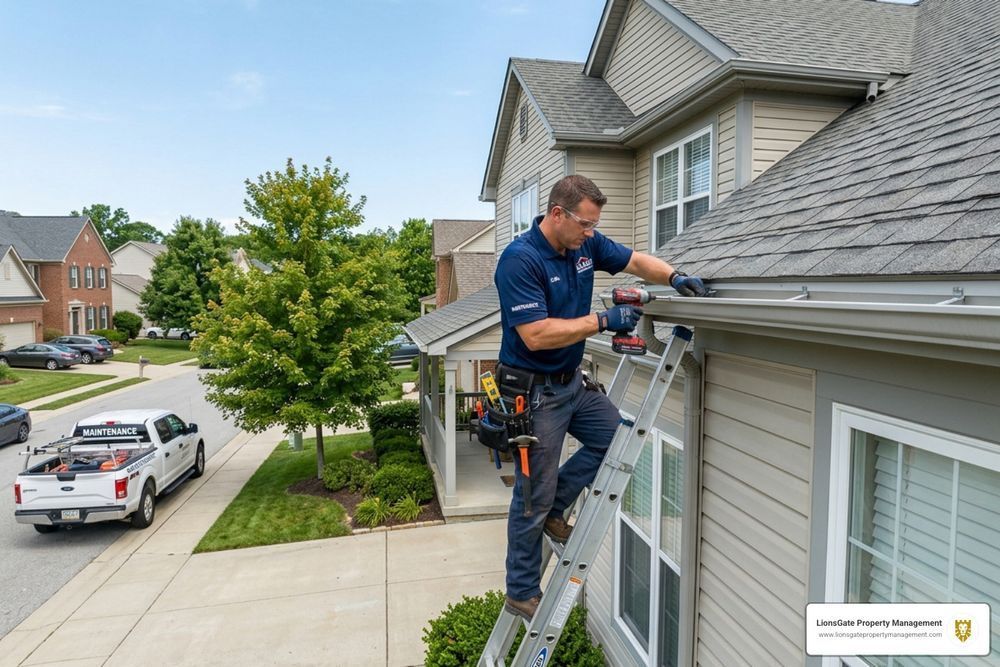
| Exterior | Gutters, downspouts, roofline, siding, drainage, walkways, steps, and entry points. |
| Vacant units | Hidden damage, neglected repairs, pest signs, appliance condition, and turnover repairs. |
Warning Signs Tenants May Mention Without Realizing the Risk
Paste approved section text here.
- “The sink drains slowly.”
- “There is a musty smell.”
- “The heat is uneven.”
- “The lights flicker sometimes.”
- “The floor feels soft near the bathroom.”
- “There is a stain on the ceiling.”
- “The hallway light keeps going out.”
- “The basement feels damp.”
How Hidden Maintenance Issues Hurt Cash Flow
Paste approved section text here.
Small Repairs Become Large Expenses
Paste approved section text here.
Tenant Satisfaction Drops
Paste approved section text here.
Vacancy and Turnover Can Increase
Paste approved section text here.
How Property Management Helps Detect Hidden Issues Earlier
Paste approved section text here.
- Scheduling regular inspections
- Tracking tenant maintenance requests
- Documenting repair history
- Coordinating vendors
- Reviewing shared systems
- Checking common areas
- Reporting recurring patterns to owners
Preventive Maintenance Checklist for Multi-Unit Properties
Paste approved section text here.
- Check plumbing fixtures and drains regularly.
- Inspect ceilings and walls for stains or moisture.
- Review heating systems before winter.
- Check electrical panels and common area lighting.
- Inspect gutters, downspouts, and drainage.
- Review basement moisture and ventilation.
- Check stairs, railings, locks, and entry points.
- Document all repairs and follow-up needs.
Common Mistakes Multi-Unit Owners Make
Paste approved section text here.
- Only inspecting when a tenant complains.
- Assuming one unit’s problem is isolated.
- Not checking shared systems regularly.
- Skipping common area inspections.
- Not tracking repair history by unit.
- Waiting until turnover to look for problems.
- Using vendors without clear documentation.
How to Build a Better Maintenance Response System
Paste approved section text here.
| System | Owner Benefit |
|---|---|
| Maintenance request tracking | Helps owners see what is happening across all units. |
| Inspection schedule | Creates a routine for catching issues before they become emergencies. |
| Vendor documentation | Keeps repair history clear and helps identify recurring problems. |
| Tenant communication process | Encourages tenants to report problems early and clearly. |
| Owner reporting | Gives owners visibility into costs, urgency, trends, and completed work. |
Conclusion: Hidden Maintenance Issues Are Easier to Fix When You Catch Them Early
Paste approved conclusion text here.
Frequently Asked Questions about Hidden Maintenance Issues in Multi-Unit Properties
What are the most common hidden maintenance issues in multi-unit properties?
Paste approved FAQ answer here.
How often should multi-unit properties be inspected?
Paste approved FAQ answer here.
Why are hidden maintenance issues more serious in multi-unit buildings?
Paste approved FAQ answer here.
Can property management help find maintenance problems earlier?
Paste approved FAQ answer here.
Recent Posts

LionsGate Property Management provides complete management solutions for duplex, triplex, and small-to-mid-size apartment owners. We offer guaranteed rent, proactive maintenance, snow removal, and no-cost eviction handling to simplify ownership and protect your income. Serving Providence, Cranston, Warwick, North Providence, East Providence, and Pawtucket, LionsGate delivers peace of mind and dependable returns.