
Residential Leasing in Rhode Island: What Landlords Need to Know
Written By Isaac Spragg
May 26, 2026
Why Residential Leasing in Rhode Island Requires a Strong Process
Residential leasing in Rhode Island is more than finding a tenant and signing a lease. Landlords need to understand screening, lease terms, security deposits, maintenance expectations, disclosures, rent collection, and move-in documentation before handing over the keys.
For Providence, Cranston, Pawtucket, East Providence, and nearby rental owners, a clear leasing process helps prevent confusion, protect income, and create a better tenant relationship from day one.
Quick Answer: What Rhode Island Landlords Should Know About Leasing
| Leasing Area | Why It Matters |
|---|---|
| Tenant screening | Strong screening helps reduce missed rent, lease problems, and avoidable turnover. |
| Lease clarity | A clear lease defines rent, due dates, responsibilities, rules, maintenance, and renewal expectations. |
| Move-in documentation | Photos, condition reports, and signed documents help reduce disputes later. |
| Security deposits | Landlords should understand Rhode Island limits, timelines, and documentation requirements. |
| Lead disclosures | Older rentals may require lead-related documentation and tenant disclosures. |
Start with Proper Tenant Screening
The leasing process begins before the lease is signed. Rhode Island landlords should use a consistent screening process for every applicant. This helps owners make better decisions and reduces the risk of future rent, communication, or lease problems.
- Review completed applications.
- Verify income and employment where appropriate.
- Check rental history.
- Contact prior landlords when possible.
- Review references and background information according to applicable rules.
- Apply the same standards consistently to every applicant.
Use a Lease That Clearly Defines Expectations
A strong lease should not leave important details open to interpretation. It should explain how rent is paid, when it is due, what happens if it is late, who handles utilities, how maintenance requests are submitted, and what rules apply to the property.
| Lease Section | What It Should Clarify |
|---|---|
| Rent terms | Monthly rent amount, due date, payment method, late fees, and grace period if applicable. |
| Security deposit | Deposit amount, conditions for deductions, and return process. |
| Maintenance | How tenants submit requests and what responsibilities belong to the tenant or landlord. |
| Utilities | Which utilities are paid by the tenant and which are paid by the owner. |
| Rules | Pets, smoking, parking, noise, trash, common areas, guests, and property care expectations. |
Security Deposits Need Careful Handling
Security deposits are one of the most common sources of landlord-tenant disputes. Rhode Island landlords should document the condition of the unit before move-in and after move-out. Photos, written condition reports, receipts, and clear communication can make a big difference.
A well-managed deposit process protects both the landlord and the tenant because everyone has a clearer record of the property’s condition.
Move-In Documentation Protects Everyone
Before the tenant moves in, landlords should document the property carefully. This creates a baseline condition record and helps prevent disagreement later.
- Take photos and videos before move-in.
- Complete a move-in condition checklist.
- Record appliance condition and included items.
- Confirm keys, access codes, parking, and storage details.
- Give tenants instructions for maintenance requests.
- Save signed copies of all leasing documents.
Lead Paint and Older Rhode Island Rentals
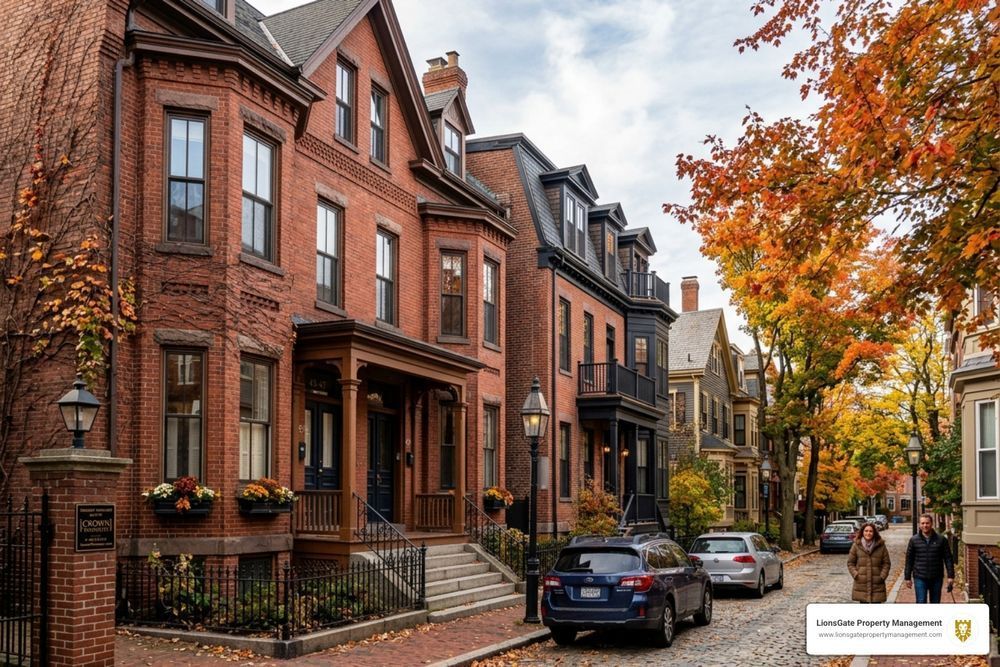
Many Rhode Island rentals were built before 1978, which means lead-based paint may be a concern. Landlords should understand lead disclosure and certificate requirements before placing tenants.
This is especially important for Providence landlords because older multi-family housing is common. Keeping lead documents organized can help reduce compliance problems later.
Rent Collection Should Be Clear from Day One
Tenants should know exactly how rent is paid, when it is due, and what happens if payment is late. A clear rent collection process makes the relationship more professional and reduces unnecessary confusion.
- Use written rent payment instructions.
- Confirm accepted payment methods.
- Explain late fee rules clearly.
- Track payment history consistently.
- Send written reminders when needed.
- Keep records of every payment and balance.
Maintenance Expectations Should Be Part of Leasing
Maintenance problems often become tenant relationship problems when expectations are unclear. The lease and move-in process should explain how tenants submit requests, what counts as urgent, and how repairs will be scheduled.
Tenant Responsibilities
Tenants should understand expectations for basic cleanliness, trash, reporting issues early, preventing damage, and following property rules.
Owner Responsibilities
Owners should keep the property habitable, respond to maintenance concerns, and document repair activity.
Property Manager Responsibilities
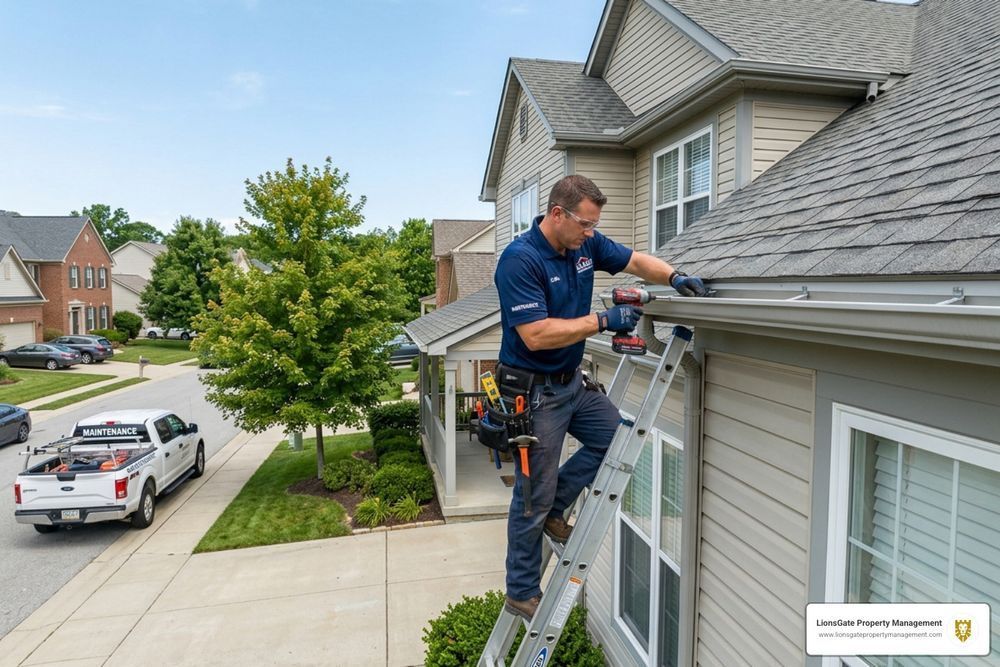
A property manager can help organize maintenance requests, coordinate vendors, document completed work, and communicate with tenants.
Common Residential Leasing Mistakes Rhode Island Landlords Make
Many leasing problems begin because the owner rushes the process. A good tenant relationship starts with clear documents, clear communication, and clear expectations.
- Using a vague or outdated lease.
- Skipping proper tenant screening.
- Not documenting move-in condition.
- Failing to explain rent payment rules.
- Not organizing lead paint or disclosure documents.
- Relying on verbal promises instead of written terms.
- Not keeping signed copies of lease documents.
How Property Management Helps with Residential Leasing
Residential leasing becomes easier when there is a consistent system. Property managers can help with marketing, showings, applicant screening, lease preparation, move-in coordination, deposit tracking, and ongoing tenant communication.
| Leasing Task | How Management Helps |
|---|---|
| Marketing | Creates listings, handles inquiries, and helps reduce vacancy time. |
| Screening | Reviews applicants using a consistent process. |
| Lease setup | Helps organize lease terms, signatures, move-in details, and documentation. |
| Move-in coordination | Confirms keys, condition records, payment instructions, and tenant expectations. |
| Ongoing communication | Creates a clear point of contact for tenants and owners. |
Conclusion: Strong Leasing Creates Stronger Rentals
Residential leasing in Rhode Island works best when landlords treat it as a system, not a quick transaction. Screening, lease clarity, move-in documentation, rent collection, maintenance expectations, and compliance documents all matter.
For landlords who want fewer surprises and better tenant relationships, a professional leasing process is one of the best places to start.
Frequently Asked Questions about Residential Leasing in Rhode Island
What should Rhode Island landlords include in a residential lease?
A lease should clearly explain rent, due dates, payment methods, security deposit terms, utilities, maintenance responsibilities, property rules, renewal terms, and move-out expectations.
Why is move-in documentation important?
Move-in documentation creates a record of the unit’s condition before the tenant takes possession. This helps reduce disputes about damage, repairs, and deposit deductions later.
Do Rhode Island landlords need to think about lead paint?
Yes. Many older Rhode Island rentals may require lead-related disclosures, certificates, or inspections. Landlords should keep lead documents organized before leasing.
Can a property manager help with residential leasing?
Yes. A property manager can help market the rental, screen applicants, prepare leasing documents, coordinate move-in, document condition, and communicate with tenants.
Recent Posts

LionsGate Property Management provides complete management solutions for duplex, triplex, and small-to-mid-size apartment owners. We offer guaranteed rent, proactive maintenance, snow removal, and no-cost eviction handling to simplify ownership and protect your income. Serving Providence, Cranston, Warwick, North Providence, East Providence, and Pawtucket, LionsGate delivers peace of mind and dependable returns.