
Understanding Lead-Paint Inspection Requirements for Providence Landlords
Written By Isaac Spragg
May 26, 2026
Why Lead-Paint Compliance Matters for Providence Rental Owners
Lead-paint inspection requirements are one of the most important compliance responsibilities for Providence landlords, especially owners of older rental homes, duplexes, triplexes, and multi-unit buildings. Many Rhode Island rental properties were built before 1978, which means lead-based paint may still be present.
For landlords, lead compliance is not just paperwork. It protects tenants, reduces liability, supports safer housing, and helps keep rental operations legally organized.
Quick Answer: What Providence Landlords Should Know
| Requirement Area | Why It Matters |
|---|---|
| Lead certificate | Rhode Island landlords are required to have a valid lead certificate for rental homes or apartments. |
| Inspection | A Lead Hazard Mitigation Inspection checks whether the property is safe from lead hazards. |
| Pre-1978 housing | Older properties are more likely to contain lead-based paint and should be reviewed carefully. |
| Tenant protection | Lead safety is especially important for children and vulnerable residents. |
| Owner risk | Missing certificates, poor documentation, or ignored hazards can create legal and financial exposure. |
What Is a Lead Certificate?
A lead certificate shows that a rental property has passed a Lead Hazard Mitigation Inspection and is safe from lead hazards. Rhode Island recognizes several certificate types, including a Certificate of Lead Conformance, Certificate of Presumptive Compliance, and certain visual inspection affidavits for long-term tenants.
For Providence landlords, the most important point is simple: if you rent out a home or apartment in Rhode Island, you need to understand whether your property requires a valid lead certificate and how to keep that documentation current.

Why Pre-1978 Rentals Need Extra Attention
Lead-based paint was commonly used in older homes before it was banned for residential use. Providence has many older rental properties, so landlords should be especially careful with peeling paint, dust, windows, doors, trim, porches, and high-friction surfaces.
- Older paint may contain lead.
- Peeling or chipping paint can create hazards.
- Lead dust can collect around windows, floors, and trim.
- Exterior paint and soil may also create exposure concerns.
- Renovation work can disturb lead paint if not handled properly.
What a Lead Hazard Mitigation Inspection Usually Looks For
A lead inspection is designed to identify whether a rental unit has active lead hazards that need correction. A licensed inspector may review painted surfaces, dust risk areas, deteriorated paint, friction points, and other conditions that could expose tenants to lead.
| Inspection Area | What May Be Reviewed |
|---|---|
| Interior paint | Walls, ceilings, doors, windows, trim, baseboards, and painted surfaces. |
| Exterior paint | Siding, porches, railings, stairs, doors, window frames, and soil near the structure. |
| Dust hazards | Window sills, floors, high-friction areas, and places where lead dust can collect. |
| Common areas | Hallways, stairwells, shared entrances, basements, and porches in multi-unit buildings. |
| Repair history | Prior lead remediation, paint stabilization, maintenance records, and documentation. |
Steps Providence Landlords Should Take
Landlords should treat lead-paint compliance as part of the regular property management process, not as a last-minute task during tenant issues or property turnover.
- Confirm the age of the property.
- Review whether the rental unit requires a lead certificate.
- Schedule an inspection with a qualified lead professional.
- Correct any hazards found during the inspection.
- Keep copies of certificates and inspection reports.
- Provide required disclosures and documents to tenants.
- Track renewal or reinspection timing so the certificate stays current.
Common Lead-Paint Compliance Mistakes
Many landlords run into problems because they assume lead compliance only matters when there is a complaint. In reality, certificates, records, and disclosures should be handled before problems appear.
- Assuming an old inspection is still valid without checking.
- Not keeping copies of lead certificates.
- Failing to inspect common areas in multi-unit buildings.
- Ignoring peeling paint around windows, porches, and trim.
- Using unqualified contractors for paint disturbance or repairs.
- Waiting until an eviction or dispute to check compliance.
- Not giving tenants the required lead-related information.
Why Lead Compliance Is Especially Important for Multi-Unit Properties
Duplexes, triplexes, and apartment buildings can create more complicated lead-compliance situations because hazards may exist in individual units, shared hallways, stairwells, porches, basements, and exterior areas.
A problem in one area can affect several tenants. That is why multi-unit landlords should document inspection results unit by unit and keep common-area maintenance organized.
How Property Management Helps with Lead-Paint Compliance
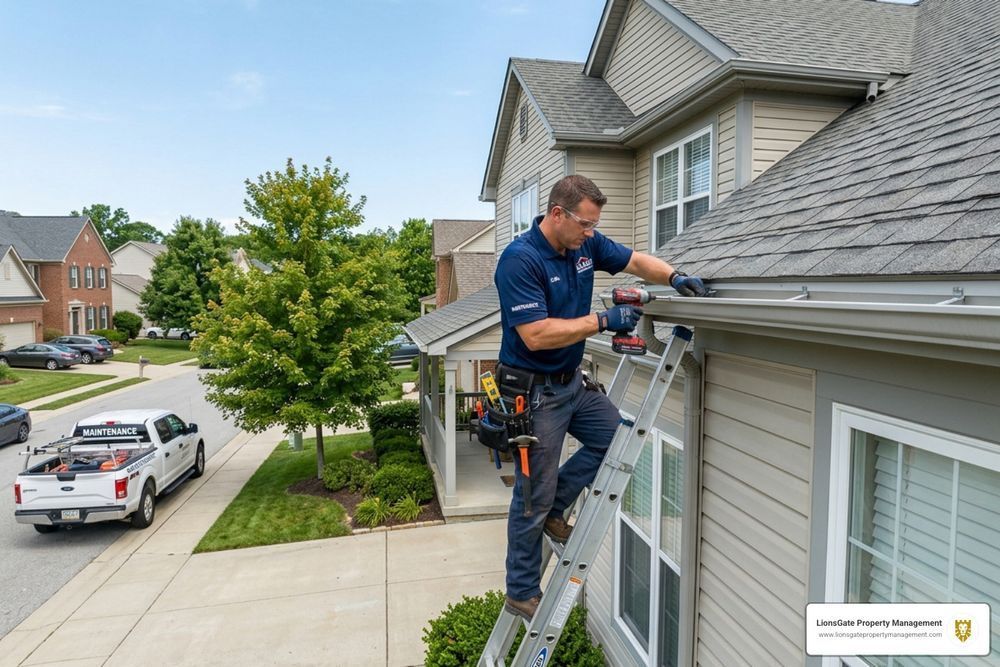
A property management company can help landlords stay organized by tracking certificates, coordinating inspections, managing repairs, communicating with tenants, and keeping documents available when needed.
| Management Task | Owner Benefit |
|---|---|
| Certificate tracking | Helps owners avoid missing important compliance documents. |
| Inspection coordination | Reduces owner time spent scheduling and following up. |
| Repair coordination | Helps correct issues found during inspections. |
| Tenant communication | Keeps tenants informed about inspections, repairs, and access needs. |
| Recordkeeping | Creates clearer documentation for owner protection and future reference. |
Lead Paint and Tenant Safety
Lead hazards are especially serious for young children and pregnant residents. Even small exposure risks can matter, which is why landlords should take peeling paint, dust, and old surfaces seriously.
Good lead safety practices also improve tenant trust. When tenants see that inspections, repairs, and documentation are handled professionally, they are more likely to feel confident in the property and management team.
Documentation Providence Landlords Should Keep
Documentation is one of the most important parts of lead-paint compliance. Landlords should keep records in one organized place so they can quickly access them during renewals, inspections, tenant questions, or legal issues.
- Lead certificate
- Inspection report
- Tenant lead disclosures
- EPA lead information pamphlet confirmation
- Repair and remediation invoices
- Photos before and after repairs
- Tenant communication records
When to Recheck Lead-Paint Compliance
Landlords should review lead documentation during property onboarding, before new tenant placement, after major repairs, before turnover, and whenever paint deterioration or tenant complaints appear.
It is also wise to review compliance when buying a new rental property, converting units, refinancing, changing property managers, or preparing for inspection.
Conclusion: Lead-Paint Compliance Protects Tenants and Owners
Understanding lead-paint inspection requirements is essential for Providence landlords. A valid lead certificate, organized documentation, regular inspections, and prompt repairs can protect tenants, reduce liability, and support long-term rental success.
For landlords managing older Providence rentals, the best approach is proactive. Do not wait for a complaint, tenant dispute, or inspection notice. Build lead compliance into your property management system from the start.
Frequently Asked Questions about Lead-Paint Inspection Requirements for Providence Landlords
Do Rhode Island landlords need a lead certificate?
Yes. Rhode Island guidance states that if you rent out a home or apartment in Rhode Island, you are required to have a valid lead certificate.
What does a lead certificate prove?
A lead certificate shows that the property passed a Lead Hazard Mitigation Inspection and is safe from lead hazards.
Are pre-1978 Providence rentals more likely to need lead review?
Yes. Homes built before 1978 are more likely to contain lead-based paint, so landlords should pay close attention to inspection, repair, and documentation requirements.
Can a property manager help with lead-paint compliance?
Yes. A property manager can help coordinate inspections, track certificates, communicate with tenants, manage repairs, and keep compliance documents organized.
Recent Posts

LionsGate Property Management provides complete management solutions for duplex, triplex, and small-to-mid-size apartment owners. We offer guaranteed rent, proactive maintenance, snow removal, and no-cost eviction handling to simplify ownership and protect your income. Serving Providence, Cranston, Warwick, North Providence, East Providence, and Pawtucket, LionsGate delivers peace of mind and dependable returns.